Blog

Concrete Tips & Advice

Straight answers from Above and Below Concrete to the questions we hear most from customers in Fort Collins.

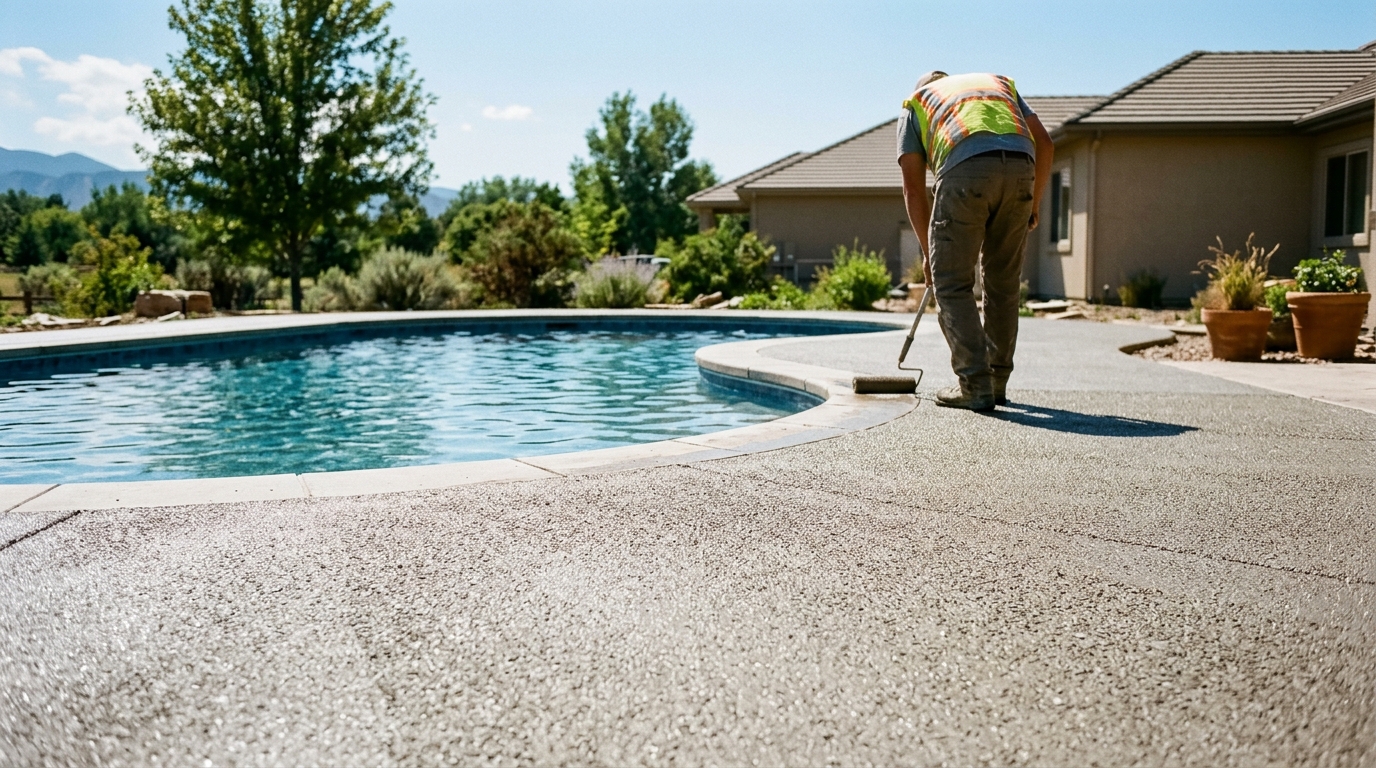
Slip-Resistant Concrete Pool Deck Finishes for Fort Collins Homes

Slip-Resistant Concrete Pool Deck Finishes for Fort Collins Homes

Popular slip-resistant finishes for a concrete pool deck include broom-finished concrete, salt-finished concrete, and textured stamped concrete treated with a slip-resistant sealer additive. Exposed aggregate and spray knockdown are also highly effective options. The ideal finish depends on your aesthetic preferences and budget. Applying textures during installation prevents slip-and-fall injuries without sacrificing the durability of your hardscape.

Read Article
What OSHA 30 Certification Means for Concrete Contractors in Fort Collins, CO

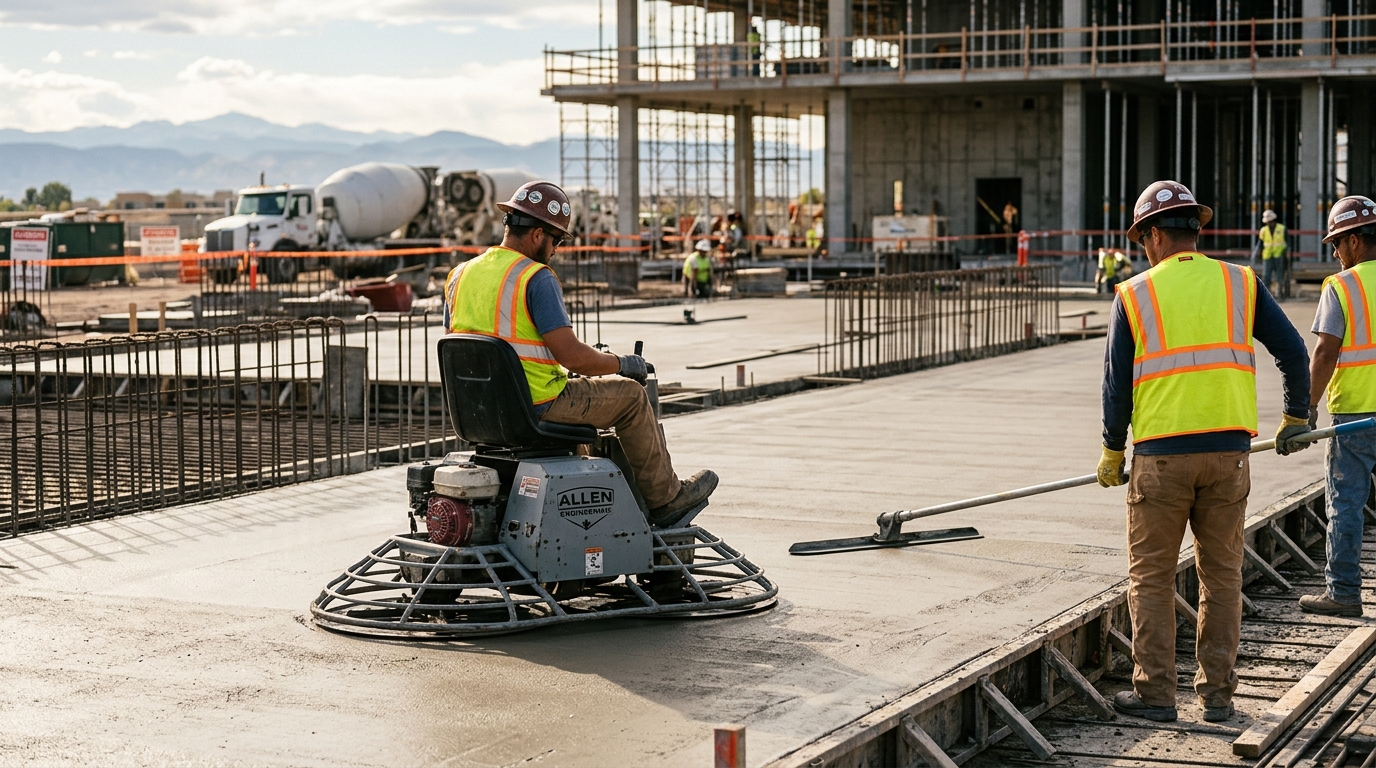
What OSHA 30 Certification Means for Concrete Contractors in Fort Collins, CO

An OSHA 30 certification means that key supervisors on a construction crew have completed thirty hours of rigorous safety training administered by the Occupational Safety and Health Administration. For homeowners, this signals a contractor who actively manages job site risks, minimizes the likelihood of accidents, and ensures a highly organized, legally compliant project.

Read Article
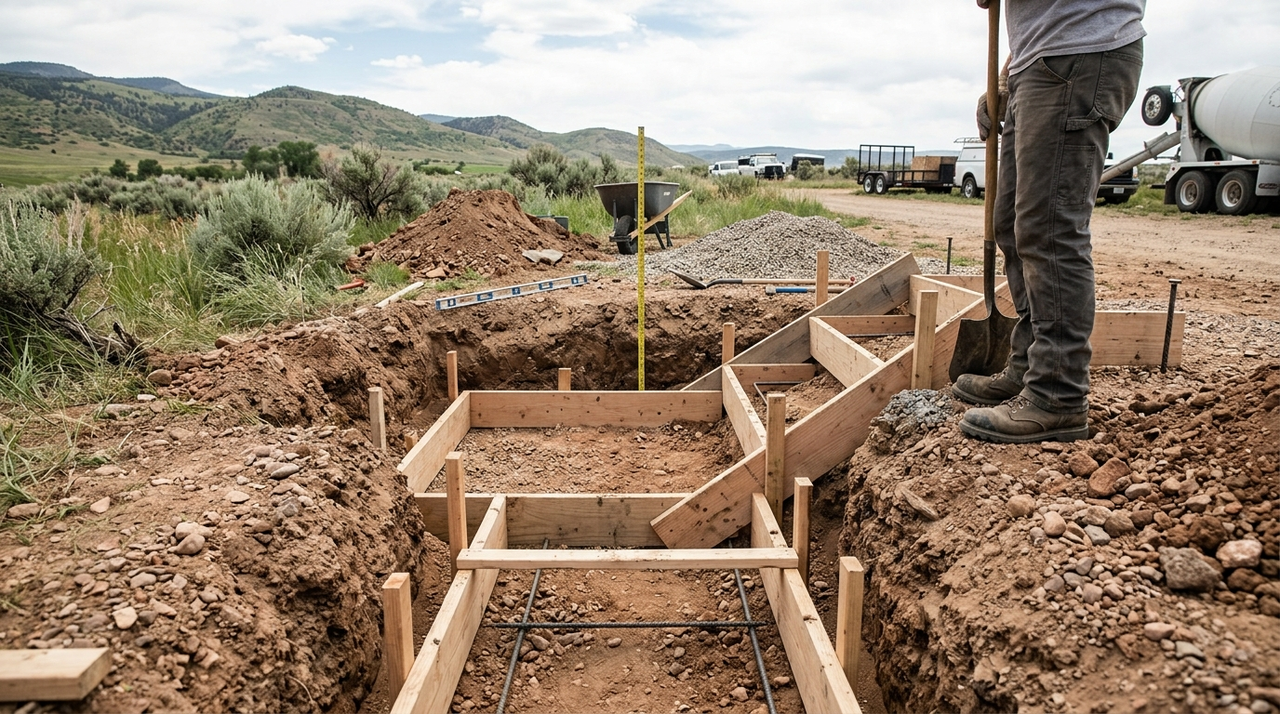
Do Outdoor Concrete Steps Need Footings in Fort Collins, CO?

Do Outdoor Concrete Steps Need Footings in Fort Collins, CO?

Yes, outdoor concrete steps attached to a home in Fort Collins generally require frost footings extending at least 30 inches below grade. This depth reaches below the local frost line to prevent freeze-thaw cycles and expansive clay from heaving the structure. While small, detached landscape steps with one or two risers may sometimes float on gravel, any structural stairs tied to a foundation or deck must have frost-depth footings.

Read Article
Fort Collins Commercial Concrete Permit and Code Requirements

Fort Collins Commercial Concrete Permit and Code Requirements

Fort Collins commercial concrete projects require a building permit for structural work like foundations, slabs, and retaining walls over four feet high. Projects affecting public property, such as sidewalks, driveways, or curb cuts, require a Right-of-Way Permit. Slabs must comply with local International Building Code amendments, using approved concrete mix designs and passing subgrade, formwork, and final inspections.

Read Article
Fort Collins Homeowner Sidewalk Maintenance & Repair Responsibility

Fort Collins Homeowner Sidewalk Maintenance & Repair Responsibility

In Fort Collins, the city's Street Maintenance Program handles major infrastructure repairs, but adjacent property owners remain legally responsible for keeping their sidewalks safe and clear of snow—though requirements vary by municipality, so confirm with your local building department. If a private tree heaves your concrete, or you are replacing your driveway approach, you must handle the repairs yourself. When you cannot wait for the city's schedule, you need a bonded contractor to pull the proper right-of-way permits and fix the hazard.

Read Article
Fort Collins Expansive Soil and Concrete Foundation Protection

Fort Collins Expansive Soil and Concrete Foundation Protection

Expansive soils in Fort Collins damage concrete foundations by swelling when wet and shrinking during dry spells. This constant shifting exerts immense vertical heave and lateral pressure on the concrete. Because moisture levels around a property fluctuate, this movement is rarely uniform, resulting in differential stress that cracks slabs, warps door frames, and threatens structural stability.

Read Article
Fort Collins Concrete Patio Permit and Landscaping Rules

Fort Collins Concrete Patio Permit and Landscaping Rules

In Fort Collins, you do not need a building permit for a basic, ground-level concrete patio, as the city exempts standard concrete flatwork from permit requirements — though requirements vary by municipality, so confirm with your local building department. However, if your patio is elevated more than 30 inches above the ground, serves as a required exit door, or includes a solid cover or roof, a permit is mandatory. All projects must still follow local setback, zoning, and drainage rules.

Read Article
Preventing Road Salt Pitting on Fort Collins Garage Floors

Preventing Road Salt Pitting on Fort Collins Garage Floors

To prevent garage floor pitting from road salt in Fort Collins, apply a high-quality penetrating silane or siloxane sealer to block moisture, or invest in a professional polyaspartic coating. Homeowners should also hose down garage floors on warm winter days to remove accumulated magnesium chloride dripping from vehicles, and place heavy-duty containment mats under tires to keep corrosive brine from touching the concrete.

Read Article
How Often Should Stamped Concrete Be Sealed in Fort Collins?

How Often Should Stamped Concrete Be Sealed in Fort Collins?

In Fort Collins, stamped concrete typically needs to be resealed every two to three years. The harsh Colorado climate, characterized by intense high-altitude ultraviolet rays and frequent freeze-thaw cycles, rapidly breaks down protective coatings. Factors like foot traffic, snowblower usage, and chemical exposure from deicing salts also affect sealer longevity, making regular inspections essential to preserve color and prevent surface damage.

Read Article
How Deep Do Concrete Foundation Footings Need to Be in Fort Collins, CO?

How Deep Do Concrete Foundation Footings Need to Be in Fort Collins, CO?

In Fort Collins, concrete foundation footings must extend at least 30 inches below finished grade to sit beneath the local frost line. Structural additions and home foundations frequently go deeper depending on soil reports, structural loads, and whether expansive clay is present. A certified soil test and site plan determine whether standard spread footings or deeper engineered piers are required for your specific property.

Read Article
Choosing the Best Concrete Mix and PSI for Fort Collins Driveways

Choosing the Best Concrete Mix and PSI for Fort Collins Driveways

The best concrete mix for Colorado's freeze-thaw cycles is a 4,000 PSI air-entrained mix with an air content of 5% to 7% and a water-to-cement ratio below 0.45. This dense, low-permeability mixture creates billions of microscopic expansion chambers, allowing water to freeze and expand safely within the slab instead of causing cracks and surface scaling.

Read Article

Let's Talk About Your Project

Get a free estimate from Above and Below Concrete. Call us at (970) 572-4303 or fill out the form.

Get Your Free Quote

Tell us about your project. We'll get back to you within 24 hours.

Text Us