What OSHA 30 Certification Means for Concrete Contractors in Fort Collins, CO
Understanding the high safety standards that protect your property and your investment.
The Short Answer
An OSHA 30 certification means that key supervisors on a construction crew have completed thirty hours of rigorous safety training administered by the Occupational Safety and Health Administration. For homeowners, this signals a contractor who actively manages job site risks, minimizes the likelihood of accidents, and ensures a highly organized, legally compliant project.
When planning a residential construction project, such as a new driveway, patio, or foundation, safety is often the last thing a homeowner thinks about. However, active construction sites can be hazardous, and managing those risks requires professional oversight. That is where the OSHA 30 certification comes in. Issued by the Occupational Safety and Health Administration, this credential is a comprehensive safety program designed specifically for supervisors, foremen, and safety directors within the construction industry. Unlike basic safety orientations, this training ensures that site leaders can manage complex projects safely.
What is the OSHA 30 Certification?
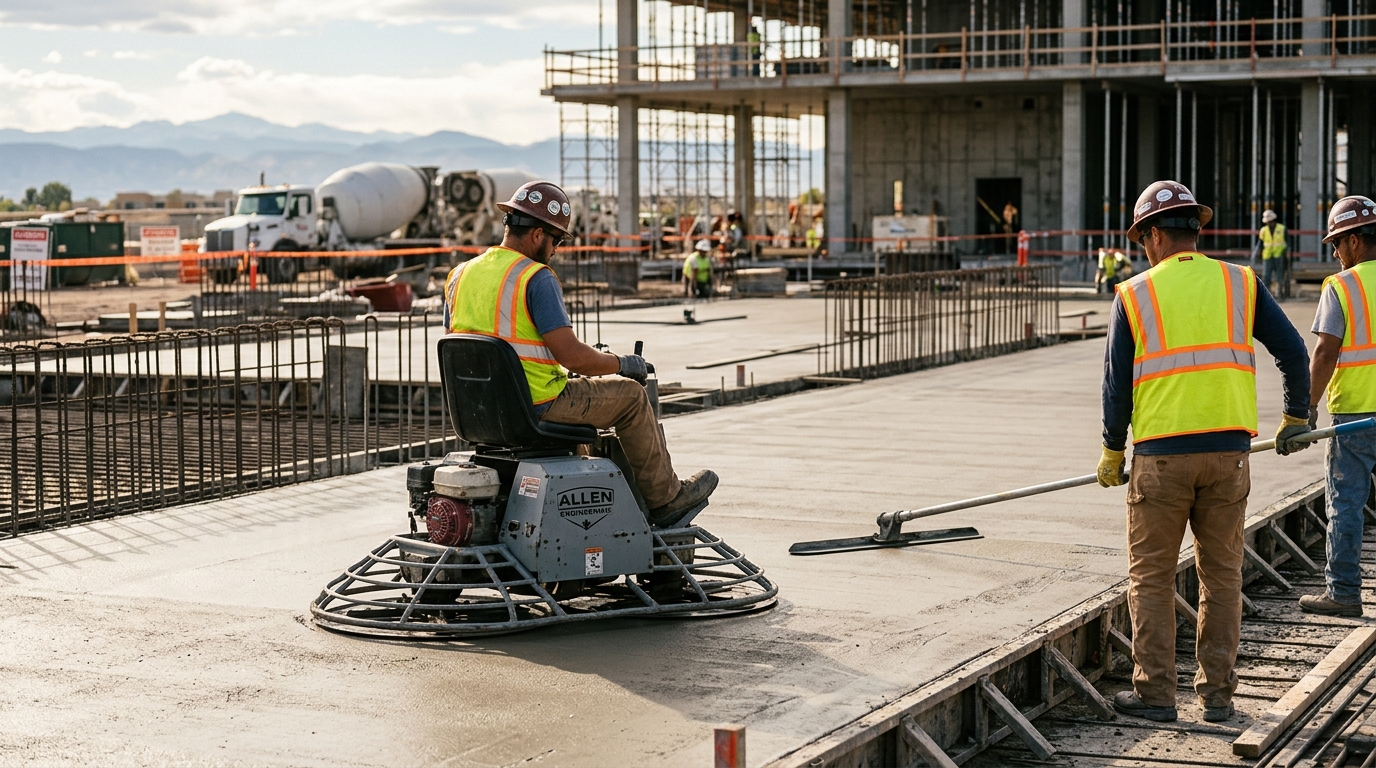
The OSHA 30-Hour Construction Outreach Training Program is an in-depth safety course developed by the federal government. It is specifically designed for field leaders who hold safety responsibilities on a construction site. The curriculum focuses on hazard recognition, avoidance, control, and prevention. When a professional holds an OSHA 30 card, it certifies that they have completed thirty hours of rigorous, peer-reviewed safety training and understand how to maintain a secure, compliant work environment from start to finish.
What It Means for the Customer
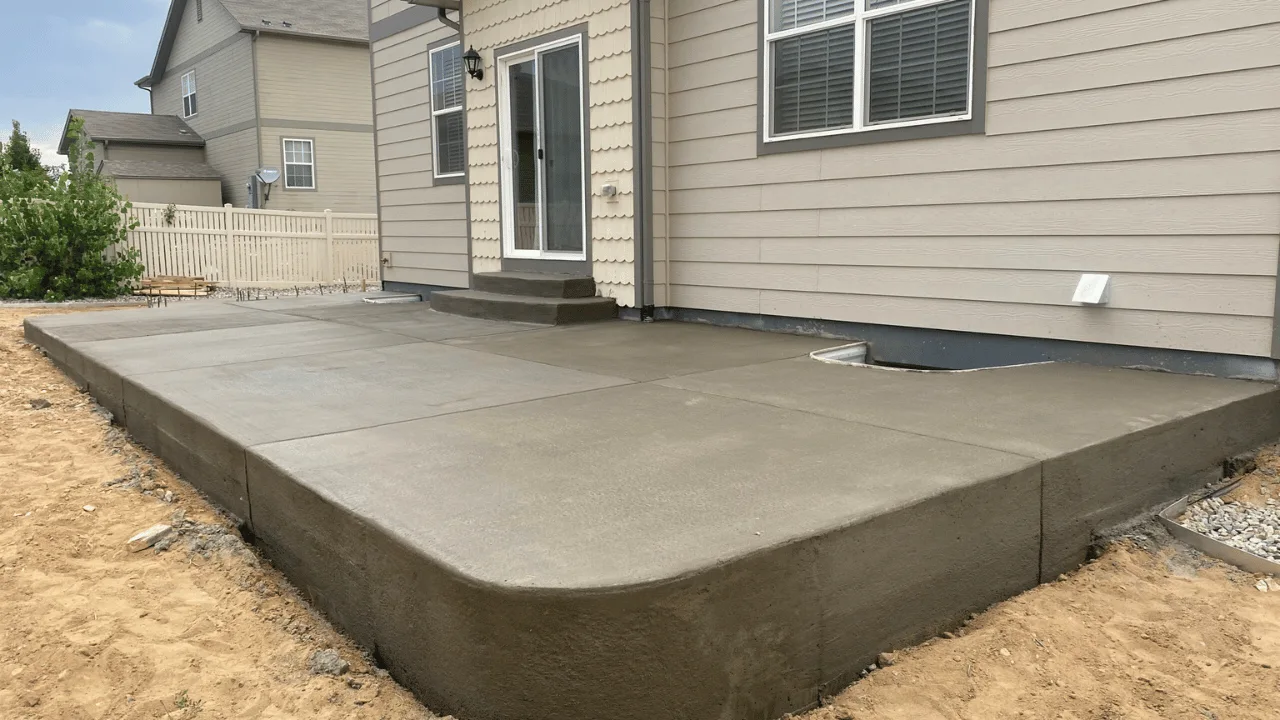
For a homeowner, hiring a contractor with OSHA 30-certified supervisors significantly minimizes the risks associated with residential construction. Concrete work involves heavy machinery, open excavations, high-pressure equipment, and heavy materials. An accident on your property can lead to severe consequences, including project delays, legal liability, and property damage. By choosing a professional with OSHA 30-certified personnel leading the crew on-site, you gain peace of mind knowing that hazard prevention is prioritized daily. This proactive management keeps the job site organized, protects your property, and ensures your project is completed on schedule.
What It Takes to Earn and Keep the Certification
Earning an OSHA 30 card requires a major commitment of time and effort. Candidates must complete thirty hours of direct instruction led by an OSHA-authorized training provider. The curriculum covers critical safety topics, including the "Focus Four" hazards:
- Falls from heights
- Struck-by hazards (such as moving vehicles or falling objects)
- Caught-in or -between hazards (such as trench collapses)
- Electrocution hazards
In addition to these core areas, the training dives deep into concrete-specific dangers, including crystalline silica dust exposure, hand and power tool safety, and safe excavation protocols. To earn the credential, candidates must pass comprehensive assessments and exams. While OSHA 30 cards do not federally expire, safety-conscious organizations prioritize ongoing training and regular safety refreshers to keep these vital skills current.

Why It Matters Locally
In Fort Collins and Northern Colorado, our changing weather and shifting soils make excavation and concrete work unpredictable. A supervisor trained in hazard identification knows how to adapt to these shifts quickly, protecting both the crew and your property.
At Above and Below Concrete, we keep our jobs safe and professional. Along with following OSHA 30 safety guidelines, we are bonded, insured, and family-owned. Check out our certifications to see how we keep our residential work sites clean and safe.
Common Questions
Frequently Asked Questions
Ready To Start?
Get Your Free Quote Today
Get a free quote from Above and Below Concrete — serving Fort Collins and surrounding areas.